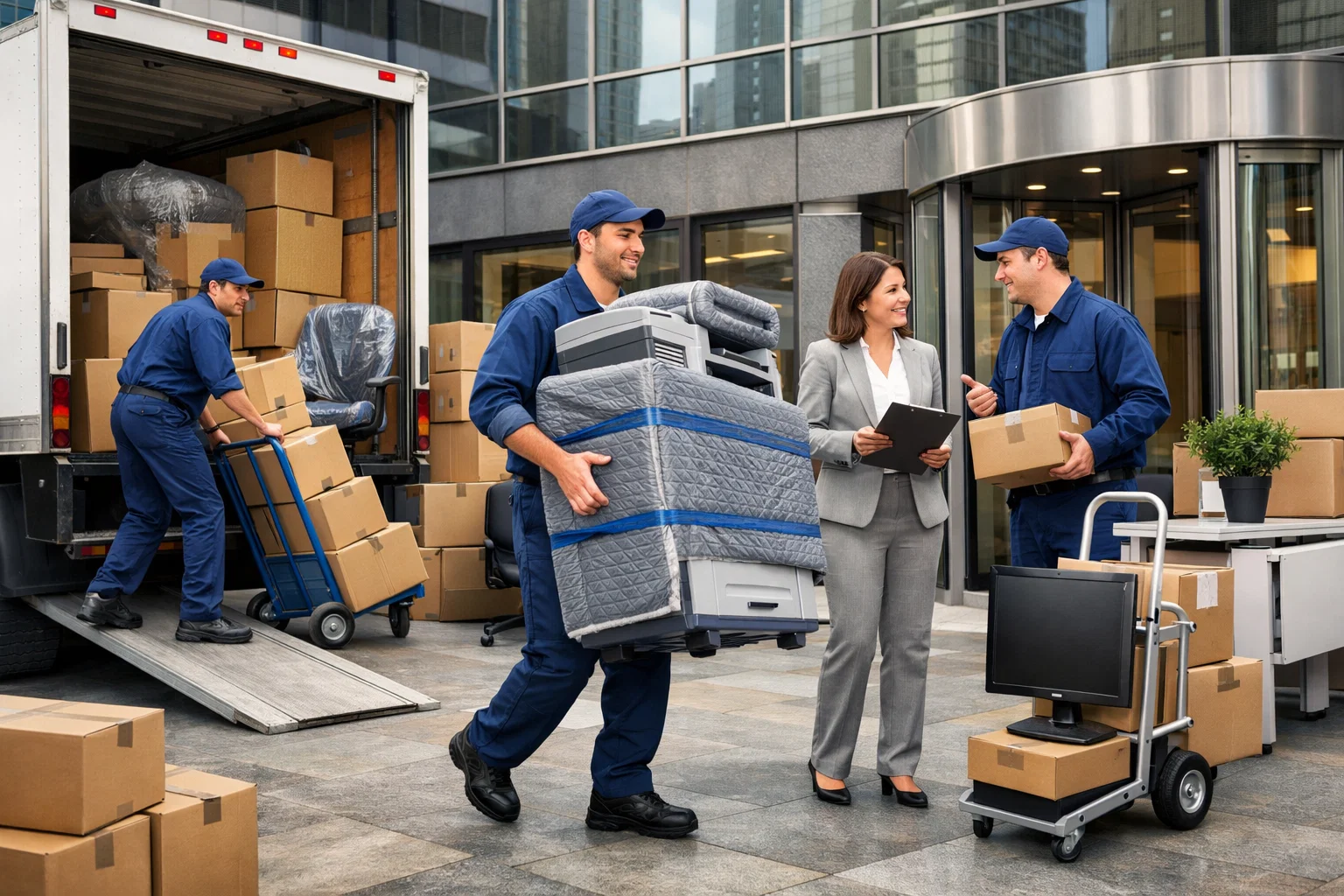
Relocating a workplace is very different from moving a household. The process usually involves equipment, documents, and furniture that support everyday operations. Because of this complexity, many organizations begin exploring commercial moving once they realize how many details must be coordinated during an office relocation.
Why Office Moves Are More Complicated
An office environment often contains far more than desks and chairs. Computers, printers, filing systems, and specialized equipment all need to be handled carefully during transportation. When businesses consider working with professional office movers, they often do so because relocating a workplace requires planning that goes beyond basic packing.
Sensitive documents and electronics require particular attention. Files may contain confidential information, while digital equipment must remain protected from damage during transport. For this reason, office relocations usually require careful labeling and organization so everything can be placed back in the correct location once it arrives.
Timing also plays an important role. Many businesses prefer to relocate outside normal working hours to avoid interrupting daily operations.
Planning the Transition to a New Workspace
Preparation usually begins long before the move itself. Departments often sort equipment and documents, deciding what should be transported and what can remain behind. When planning commercial relocation, organizations sometimes realize that the move offers an opportunity to reorganize the workplace and remove unnecessary items.
Furniture arrangement is another important detail. A new office layout may require different desk positions, meeting areas, or storage spaces. Thinking about this early helps ensure that everything is placed correctly once it reaches the new location.
During this stage, people often research how commercial moving companies approach office relocations. Understanding the typical process can help employees prepare their workstations and organize materials before transportation begins.
Technology and Equipment Considerations
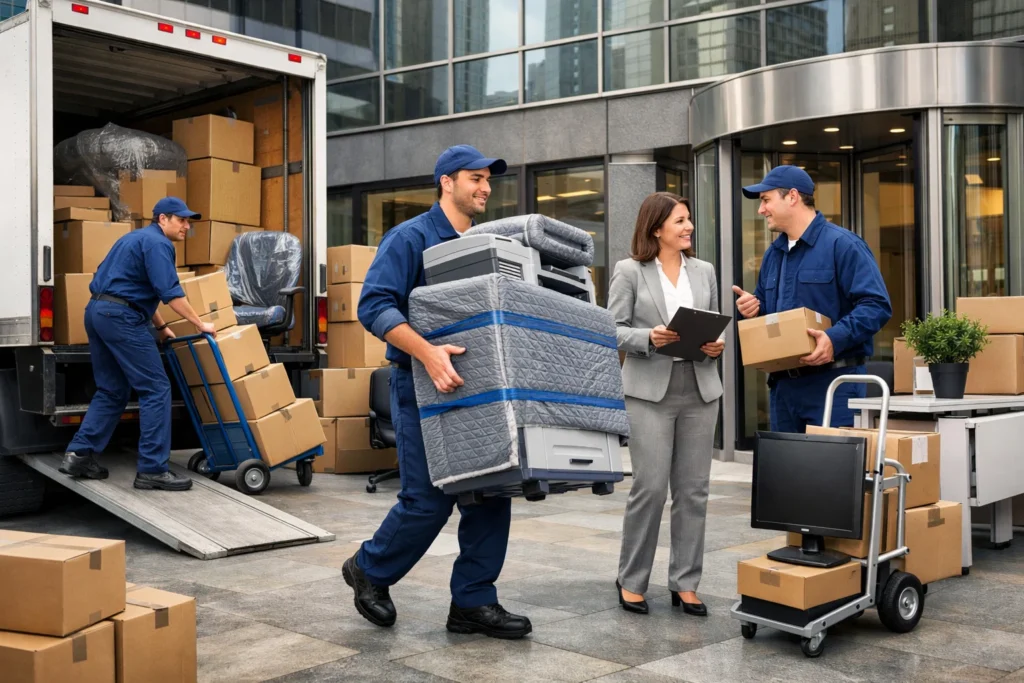
Modern offices rely heavily on technology, which makes relocation more delicate than it once was. Computers, network equipment, and communication systems must be disconnected and transported safely. Even a small mistake during packing can lead to delays once the office begins operating again.
Organizations sometimes rely on commercial office movers because handling large volumes of equipment requires coordination and careful labeling. Every cable, device, and accessory needs to be accounted for so workstations can be restored quickly.
Another challenge is maintaining continuity during the transition. Many businesses try to minimize downtime by carefully planning when equipment will be disconnected and when it will be reinstalled. Thinking ahead about these details can make the move far less disruptive.
Returning to Normal After the Move
Once everything arrives at the new workspace, the focus shifts to restoring daily routines. Employees reconnect equipment, arrange documents, and begin adapting to the new environment. Although the physical move may take only a short time, adjusting to a new office layout often takes several days.
During this phase, the role of office moving services becomes easier to understand. Office relocations involve more than transporting furniture; they also require coordination that allows a business to continue functioning during the transition.
In the end, a successful commercial moving process depends on preparation and organization. When the relocation is planned carefully, employees can return to work quickly and the new office gradually becomes a familiar and productive space.