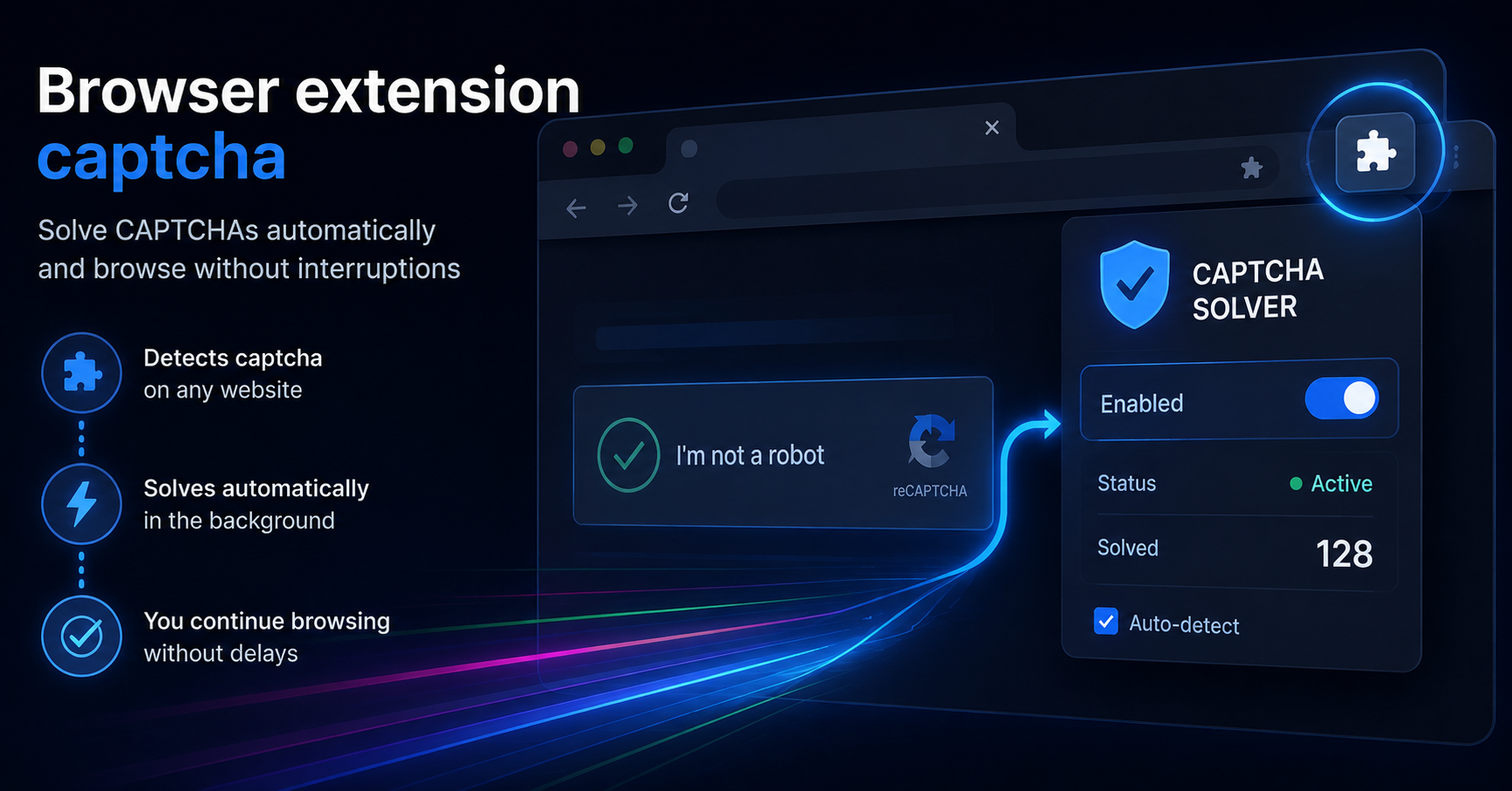
At some point, people stopped noticing how often websites ask them to prove they’re human. The interruptions became background noise. A checkbox here, blurry photos there, another puzzle before logging in again. Even conversations around a CAPTCHA blocker no longer feel especially technical because the frustration itself became ordinary.
That’s probably the weirdest part. Something originally designed as a temporary barrier slowly turned into part of everyday browsing.
Small Interruptions Change The Feeling Of The Internet
Most online friction doesn’t arrive dramatically. It accumulates in tiny moments people barely remember individually.
A page reloads unexpectedly. Verification appears after refreshing too fast. One browser session works perfectly while another suddenly triggers endless image grids. None of this sounds serious on its own, yet after enough repetition the browsing experience starts feeling tense without people fully understanding why.
And systems became more sensitive over time. That’s easy to notice if you compare how CAPTCHA worked ten years ago versus now. Older versions felt mechanical but predictable. Current systems behave differently. They evaluate movement, timing, browser fingerprints, interaction patterns — sometimes before a visible challenge even appears.
The result is oddly psychological.
People begin adjusting their own behavior around invisible rules they cannot see.
Slower clicking. Fewer tabs. Hesitating before refreshing a page.
Not because someone explained those rules directly, but because repeated interruptions quietly trained users to avoid triggering suspicion.
Browser Extensions Changed Expectations Too
Years ago, browser add-ons mostly focused on convenience. Ad blockers, password managers, translation tools. Simple things.
Then browsing itself became layered with verification systems, and another category appeared almost naturally. Mentions of a CAPTCHA solver Chrome tool started showing up more often in forums where people discussed repetitive workflows, testing environments, or simply exhaustion from dealing with constant checks.
What’s interesting is that reactions to these tools are rarely emotional in the way people talk about privacy software or tracking blockers. The tone is different. More tired than ideological.
Usually it sounds something like this:
“I’m just trying to get through the page without repeating the same challenge six times.”
That distinction matters. Because frustration with CAPTCHA systems often has less to do with security itself and more to do with unpredictability. A user can accept friction when it feels logical. Repeating the same failed image selection despite clearly clicking the correct answer creates a very different response.
Especially late at night, when patience is already thin.
Real Users Don’t Behave Consistently
Security systems prefer patterns. Humans rarely provide clean ones.
Someone distracted by music opens too many tabs. Another person copies information quickly between windows while working. A tired user suddenly mistypes passwords twice in a row and refreshes aggressively out of annoyance.
From a behavioral perspective, that chaos sometimes resembles automation more than ordinary browsing.
Which creates a strange contradiction: systems built to detect non-human behavior occasionally distrust perfectly human inconsistency.
That’s partly why discussions around a CAPTCHA solver extension became more visible outside purely technical spaces. Not necessarily because average users want to bypass systems entirely, but because modern verification often feels disconnected from common browsing behavior.
And honestly, some websites make this worse themselves.
Heavy scripts load slowly. Sessions expire unexpectedly. Mobile browsers behave differently from desktop environments. By the time verification appears, users are already irritated before solving anything at all.
Then comes another image puzzle. Another failed attempt.
It adds up.
Some CAPTCHA Systems Feel Less Like Security And More Like Atmosphere
There’s a point where verification stops feeling like an isolated check and starts shaping the emotional texture of browsing itself.
A good example is account recovery. People are usually stressed already when trying to regain access to something important. Adding multiple verification loops during that moment changes the entire experience. The system may technically work correctly while still feeling hostile.
Not intentionally hostile. Just cold.
The internet quietly drifted toward continuous legitimacy testing. Every session, device, network, and movement gets evaluated somewhere in the background. Most users never think about it directly, but they sense it when ordinary actions suddenly stop working smoothly.
Sometimes the friction appears because of:
- unusual browsing speed
- changing IP addresses
- privacy-focused browser settings
- repeated actions across multiple tabs
None of these things automatically indicate abuse. Yet modern systems increasingly interpret behavior probabilistically rather than contextually.
That shift matters more than people realize.
Conversations around a CAPTCHA solver Chrome extension usually sound technical on the surface, but underneath there’s often something simpler happening: people trying to restore a smoother relationship with websites that no longer fully trust ordinary browsing behavior.
The Internet Became Slightly Suspicious Of Everyone
What makes modern verification feel exhausting isn’t the challenge itself. Humans can tolerate occasional friction without much complaint.
The fatigue comes from constant low-level evaluation. Invisible scoring systems. Silent behavioral analysis. Random interruptions appearing at moments that feel arbitrary from the user’s perspective.
And because most systems never explain their reasoning clearly, people start guessing. Maybe the browser caused it. Maybe the Wi-Fi network looked suspicious. Maybe opening too many tabs triggered something.
That uncertainty changes behavior even when users don’t consciously notice it.
An antiCAPTCHA Chrome extension becomes understandable in that environment not because people suddenly hate security, but because the balance between convenience and suspicion shifted further than many expected. Quietly, almost invisibly.
After enough years online, a CAPTCHA blocker stops feeling like a niche technical phrase and starts sounding more like a reaction to a broader atmosphere — one where proving you’re human somehow became a routine part of nearly everything.