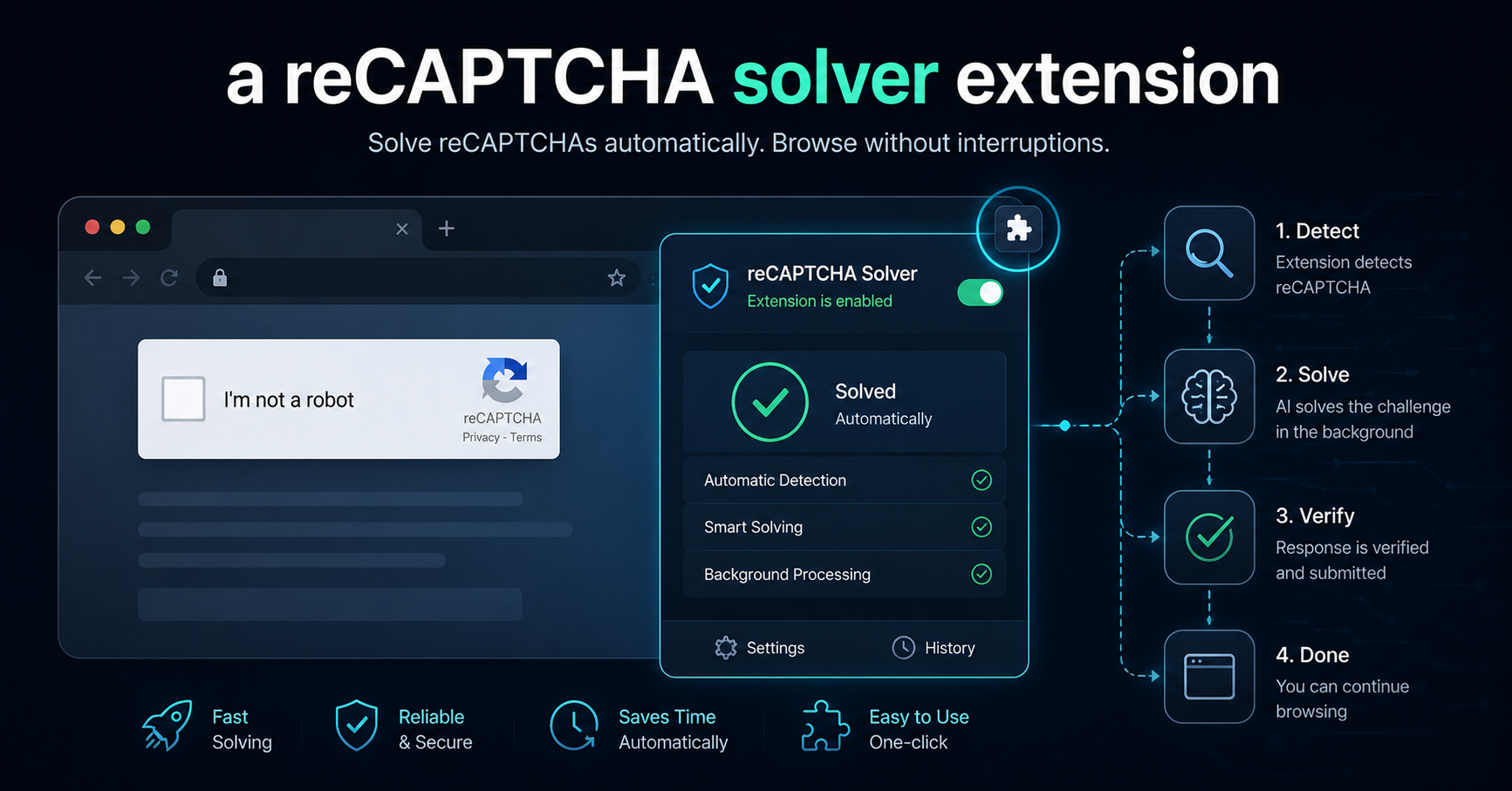
At first, CAPTCHA systems felt almost harmless. You clicked a checkbox, maybe typed distorted letters once in a while, and forgot about it immediately. Now people casually mention things like a reCAPTCHA solver extension in ordinary conversations about browsing frustration, which says a lot about how common these interruptions became.
The strange thing is that the technology improved while the experience somehow started feeling heavier.
The Internet Began Measuring Behavior Constantly
Most users still imagine verification as a visible challenge appearing on screen. In reality, modern systems often begin evaluating people long before that moment.
Mouse movement. Typing rhythm. Browser consistency. IP reputation. Timing between clicks. Tiny behavioral details accumulate quietly in the background until the system decides whether someone “looks human enough.”
That wording alone feels odd when you think about it too long.
Because humans are inconsistent by nature. A tired person behaves differently than a focused one. Someone impatient opens ten tabs rapidly. Another person pauses between actions because they’re distracted by a message on their phone. None of that should be suspicious, yet automated systems often interpret irregular behavior cautiously.
And caution online tends to create friction.
Not dramatic friction usually. Small things.
Pages asking for another challenge unexpectedly. Endless image grids after refreshing too quickly. Verification loops appearing after switching Wi-Fi networks. Individually these moments feel minor. Together they slowly change the emotional texture of browsing.
Some Verification Systems Create More Anxiety Than Security
I noticed this most clearly while helping someone recover access to an old account. The password reset itself wasn’t difficult. The exhausting part was repeatedly proving legitimacy to systems that seemed unconvinced no matter what.
Traffic lights. Bicycles. Storefronts. Crosswalks.
Every solved challenge led to another.
After ten minutes the person stopped interacting naturally altogether. They slowed down, second-guessed every click, even hesitated before moving the cursor. It was almost like the verification process trained them into nervous behavior.
That reaction matters more than many developers probably realize.
Security systems influence mood. They shape pacing. They alter how comfortable people feel while navigating a website. A system can technically work exactly as intended while still making the experience feel tense or strangely distrustful.
This is partly why conversations around tools like a reCAPTCHA solving service expanded outside technical communities. The issue stopped being only about automation. It became about exhaustion from repetitive verification itself.
Not everyone complains loudly about it. Most people just quietly lose patience.
Browser Culture Changed Alongside CAPTCHA Systems
There used to be a clear separation between browsing tools and verification systems. One side improved convenience; the other handled security.
Now those worlds overlap constantly.
You see discussions about privacy browsers triggering more challenges. VPN usage affecting trust scores. Browser isolation techniques accidentally creating suspicious behavioral patterns. Even ordinary extensions sometimes change how websites classify users behind the scenes.
That’s why phrases like reCAPTCHA bypass Firefox started appearing more often in technical discussions. Not necessarily because users want unrestricted access to everything, but because modern browsing environments themselves increasingly confuse automated trust systems.
And honestly, websites don’t always help.
Heavy scripts fail partially. Sessions expire unpredictably. Mobile browsers reload pages aggressively under memory pressure. Then the verification layer interprets those unstable interactions as suspicious activity.
The user experiences only the final result:
Another challenge.
Another interruption.
Another failed attempt despite doing everything correctly.
Invisible Scoring Systems Feel Stranger Than Visible Ones
Older CAPTCHA systems were annoying, sure, but at least they were obvious. You saw the challenge directly. There was a beginning and an end.
Modern systems often work invisibly instead.
Personally, I think that changes the psychological experience completely. When users don’t understand why verification suddenly intensifies, they start guessing. Maybe the browser caused it. Maybe the public network looked suspicious. Maybe opening too many tabs triggered something.
That uncertainty creates low-level tension.
Some factors that commonly influence hidden trust scoring are surprisingly ordinary:
- inconsistent browsing patterns
- rapid session switching
- aggressive page refreshing
- privacy-focused browser setups
None of these actions automatically mean abuse. Yet systems built around probability don’t evaluate behavior emotionally or contextually. They evaluate patterns.
That distinction explains why a reCAPTCHA bypass script can become part of broader conversations about usability instead of purely technical debates. People increasingly experience verification not as a single security layer, but as an ongoing atmosphere surrounding online interaction.
And atmospheres affect behavior even when nobody talks about them directly.
The Relationship Between Users And Websites Quietly Changed
A lot of people still describe the internet as if websites simply respond to actions. Click something, receive something.
But that’s not really how modern browsing feels anymore.
Now there’s almost always an invisible negotiation happening underneath the surface. Systems continuously evaluate whether activity appears legitimate enough to continue smoothly. Most of the time users never notice this process. Then suddenly they notice it all at once.
Repeated challenges have a strange effect because they don’t merely interrupt flow. They make people feel observed by systems they cannot fully understand.
After enough years online, a reCAPTCHA solver extension stops sounding like niche technical jargon and starts sounding more like a symptom of something broader — an internet that became increasingly cautious, increasingly analytical, and sometimes a little too suspicious of perfectly ordinary human behavior.